
Ziare Dye's Clavicle Injury | Surgery and Recovery
- Diamond Tran
- Nov 23, 2024
- 3 min read

Ziare (Zi) Dye, a sophomore at Hamilton West High School and a standout player on the varsity football team, knows how quickly things can change on the field. Wearing number 6, Ziare recently faced a major setback when he broke his clavicle during a game. In this interview, Ziare talks about what happened, how he’s been handling his recovery, and the challenges he’s faced both physically and mentally. Despite the injury, he’s staying focused and determined to get back on the field stronger than before.
In this interview, I focused on the questions asked on the clavicle injury Zi went through, as well as the surgery and the recovery process.
1. How did the clavicle injury happen, and what led to the break?
During a football game earlier in the season, I suffered a broken clavicle. While running a route, the quarterback underthrew the ball. In an attempt to catch it, I dove, landing directly on my collarbone, which resulted in the bone snapping in half.
2. What treatment did you receive, and how did doctors decide on surgery?
In the first week following the injury, I was placed in a sling and prescribed pain medication while awaiting surgery. Prior to finalizing the decision for surgical intervention, I underwent four separate X-ray procedures. Ultimately, the doctors determined that surgery was necessary to address the fracture. The surgical team opted to insert a clavicle hook plate and secure it with seven screws to stabilize my collarbone.
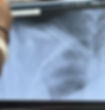
3. How did you feel going into surgery, and was anything about the procedure challenging?
Before undergoing surgery, I didn’t feel bad about anything, trusting in the expertise of the medical professionals and knowing I would be under anesthesia during the procedure. The surgery itself was straightforward, taking approximately one hour to complete. Waking up from anesthesia required an additional two hours, but the entire process proceeded without complications.
4. What was the recovery process like, and how long until you regained full mobility?
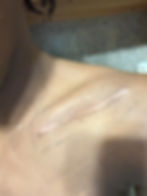
The recovery process was extremely challenging, significantly impacting my ability to perform everyday tasks such as moving, sleeping, or preparing meals. I relied heavily on others for assistance, as I was unable to manage even basic activities on my own. Sleeping was particularly difficult, as I had to remain in a specific position for comfort. Most days, I could do little more than sit and watch television. Now, nearly two months post-injury, I have regained the ability to handle daily activities, though I still lack full mobility. I have been advised not to participate in sports until January. While I am uncertain about returning to football, I plan to continue competing in track and field, particularly in jumping events.
5. What unexpected challenges or lessons came from the injury and recovery? How did it affect your daily life?
One of the most unexpected challenges stemming from this injury was its impact on my mental health. I frequently found myself reflecting on what I could have done differently to prevent the injury. While opinions may vary, for me, the pain I experienced during the first month was the most intense I have ever endured—every breath and sudden movement brought sharp discomfort. Although the injury did not significantly disrupt my daily routine, it profoundly affected my interactions with others. It hindered my ability to engage in conversations and prevented me from being my true self around friends and family, creating a sense of isolation during the recovery process.

Ziare Dye's injury and recovery have been tough, but they’ve also shown how strong he really is. Even with the pain and challenges, he’s stayed focused on getting back to his best. His journey has taught him a lot about patience and how important it is to stay mentally strong, not just physically. As he continues to recover, Ziare is determined to come back even stronger, whether it's on the football field or in track.
His story is a reminder that no matter what obstacles you face, with hard work and a positive attitude, you can overcome them and keep pushing forward.